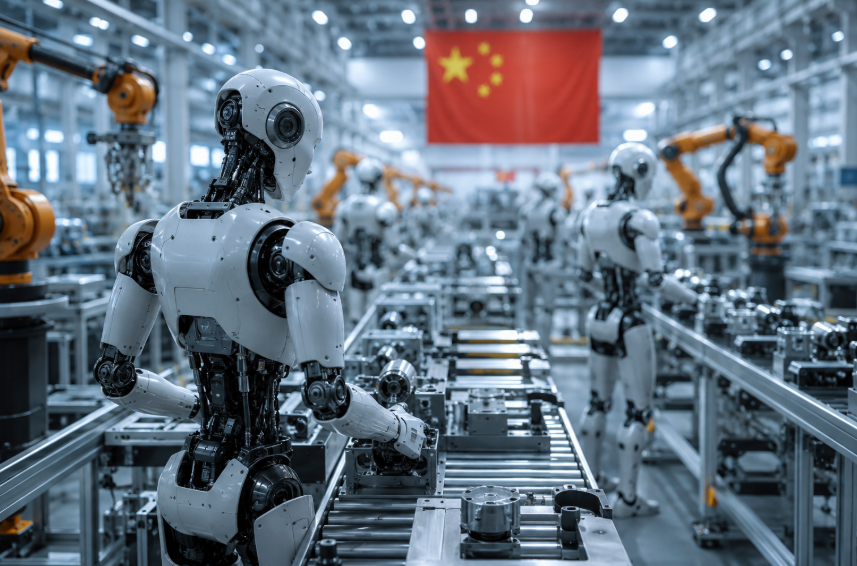
China built commanding global positions in solar panels, batteries and EVs over two decades. Now it’s turning to humanoid robots, and the goal isn’t just building impressive machines. It’s building the world’s most complete, cost-efficient robot manufacturing ecosystem. The next leader in robotics may not be whoever has the smartest AI. It could be whoever manufactures millions of robots cheapest.
China’s playbook is familiar: policy-driven demand, aggressive capacity investment, dense supplier networks, falling costs, brutal competition. The same ingredients are appearing in robotics. China already has the manufacturing base, electronics supply chains, engineering talent, and experience with motors and batteries that humanoid robots require.
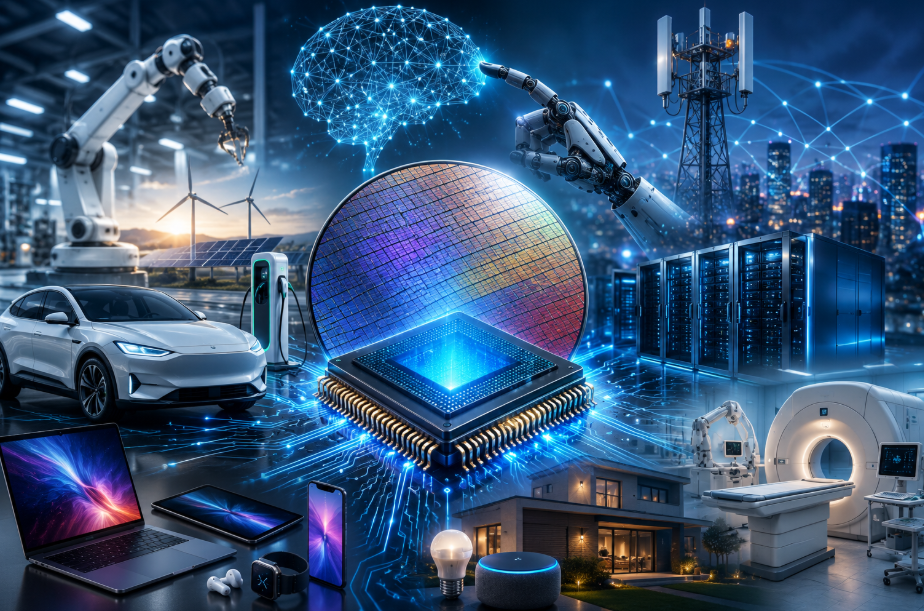
A humanoid robot is really a stack of systems: motors, actuators, sensors, batteries, chips, cameras and software working together. So demand will ripple far beyond robot makers themselves, into actuators, reducers, sensors, semiconductors and AI computing.
There’s a catch, though. Unlike an EV, a robot must operate in unpredictable physical environments. Walking, grasping objects and reading surroundings are still hard problems, which makes AI just as critical as manufacturing scale. China’s industrial depth is real, but it doesn’t guarantee technological leadership.
That’s why this race may resemble EVs more than a typical tech contest, one fought between ecosystems rather than individual companies. China’s edge: it can be both producer and customer, testing robots on its own factory floors and refining them with real operating data.
Factories, not homes, are likely the first real customers, since warehouses and logistics hubs are full of repetitive tasks robots could take over.
For India, the opportunity isn’t building a rival to China’s robots. It’s plugging into the supply chain, in components, motors, sensors, electronics and software, the way it has in other industrial ecosystems.
Adoption rates, costs and regulation remain uncertain. But China has proven it can turn expensive, experimental hardware into a mass-produced industrial product before. If it does so again, the world may be entering not just the age of humanoid robots, but another China-led manufacturing cycle.